Surplus in one place should meet need in another.
Usable clothing goes in a landfill while someone else lacks basic necessities — and we've decided to treat that as a solvable problem rather than an inevitable one.
We recognize that the earth's resources are finite, and that preserving them is crucial to the well-being of future generations.
The waste side of the equation has only grown. We consume more, discard faster, and throw out garments that still have years left in them. The environmental cost is real and measurable.
But attitudes have changed for the better. Secondhand isn't a last resort anymore; it's a deliberate, sustainable choice. Recycle for Change builds on that shift — providing a responsible outlet for surplus clothing and channeling it toward global impact.
Reuse is only half the sentence.
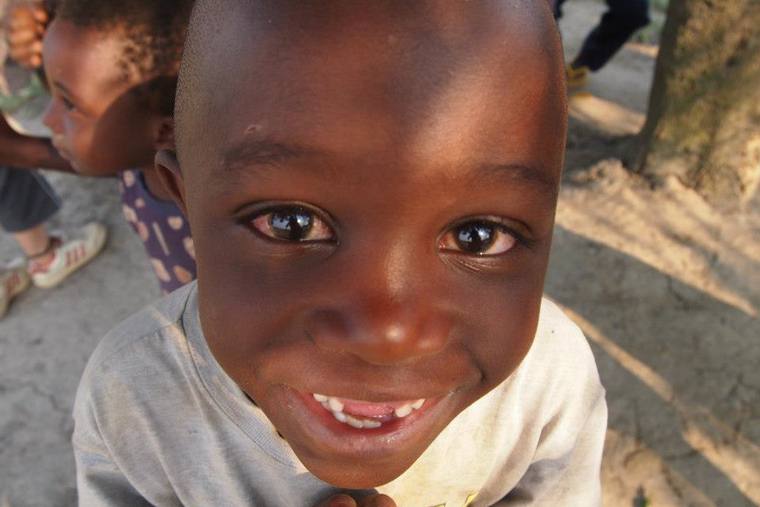
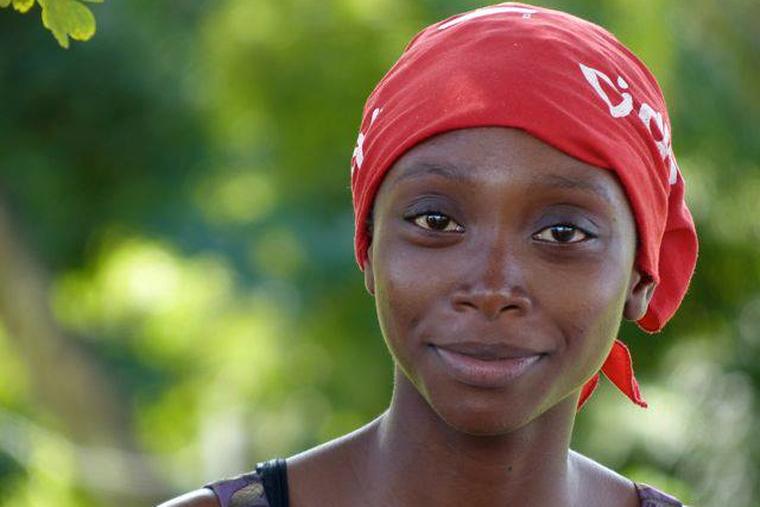
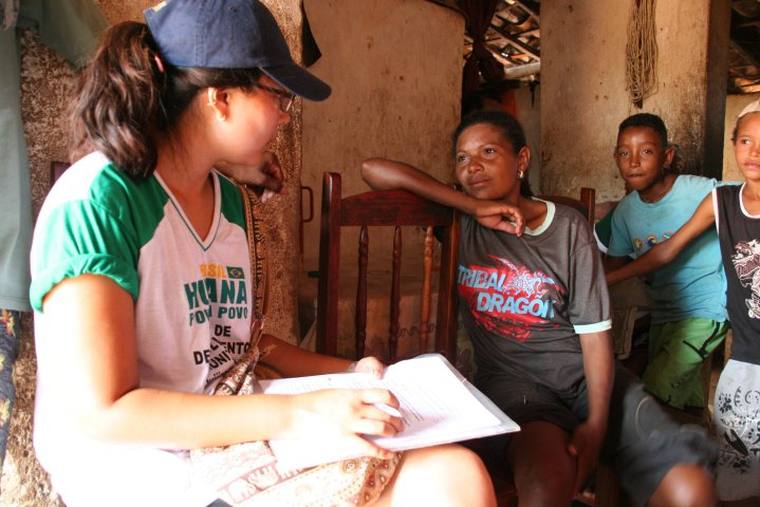
Every bag of clothing we collect is sorted, baled and sold. What that adds up to is measured every year. What it earns funds the training of volunteers who work alongside communities in some of the world's poorest regions — on food security, health, education, and clean water.
The environmental case for reuse is strong enough on its own. But it isn't why we started. We started because there is real value sitting in the clothes people no longer want — and because that value, gathered bag by bag, can become food security, clean water, and a teacher standing in front of a class.
One bag on its own is worth very little. Enough of them change what a whole community can do for itself.
Textile reuse in California powering sustainable development in the world's most vulnerable communities.
One model in which protecting the environment and improving human lives are the same project.
Whether it's hosting a Box, organizing a collection drive, or dropping off a bag — every pound counts. Some people give clothes. Some give time. Both move the same work forward.