Maybe on a bad Tuesday at a job that isn't going anywhere. Maybe after reading the news one time too many. The thought that you could actually go and do something — and then the list of reasons you couldn't.
Here's the thing: the reasons are mostly softer than they look.
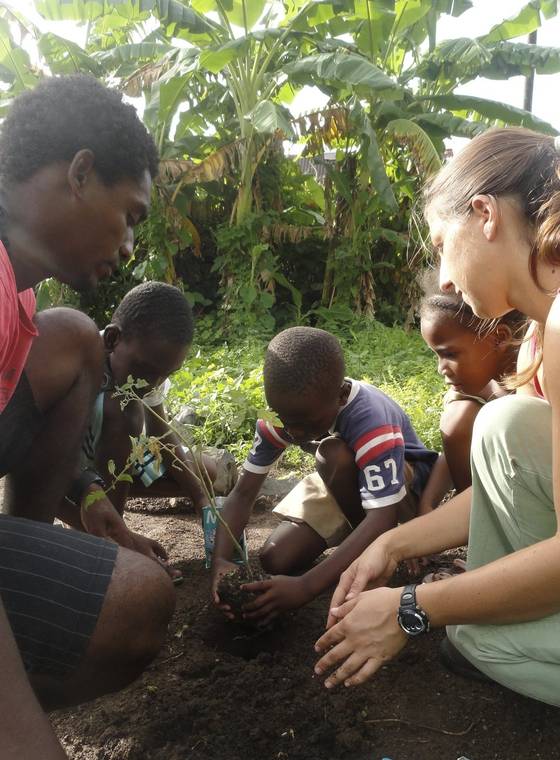
You'd plant mangroves along eroding coastline and help coral gardeners rebuild reef. You'd build ecological home gardens with water harvesting so families eat through the dry season. You'd install off-grid solar in villages that have never had it.
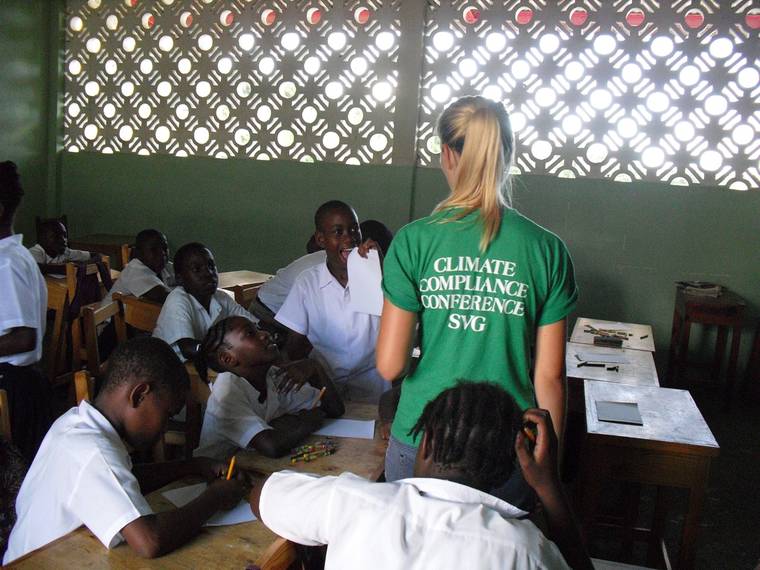
You'd teach in schools, work with farmers on food production, and help start projects built to outlive your stay. In St. Vincent and the Grenadines, and alongside project partners in Malawi, Zambia and Mozambique.
You'd share a house, a kitchen, and a purpose with people from dozens of countries. Most alumni describe that as the part that changed them — not the projects.
Scholarships exist for qualifying applications on the longer programmes, and travel grants cover the placement. Some of that funding comes from clothing donations — including the ones in our boxes here in California.
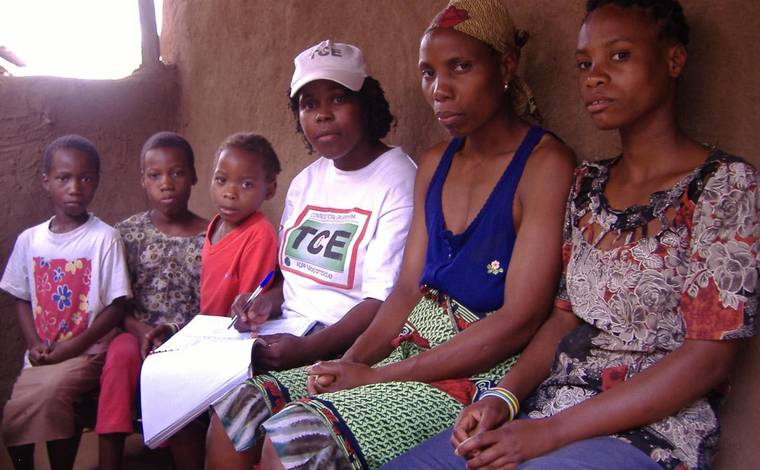
The projects are designed to keep running after you leave — a garden someone else tends, a tree someone else waters, a skill somebody now has and can teach.
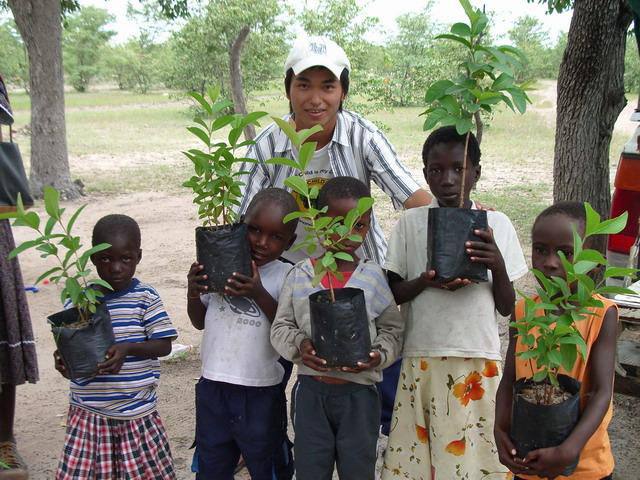
You would make a difference. You would also be uncomfortable, homesick, and occasionally out of your depth — and every alumnus we know says it was worth it anyway.
By changing other people's lives, we change our own.
No commitment, no application yet. Tell us roughly what you're thinking and we'll come back within 24 hours with what the programmes involve, what they cost, and what the next intake looks like.
Volunteers need to be 18 or over; our partner programme takes people right up to 60. No degree or field experience required.
Every bag donated in California helps fund the training that sends someone else — and there's a box near you.